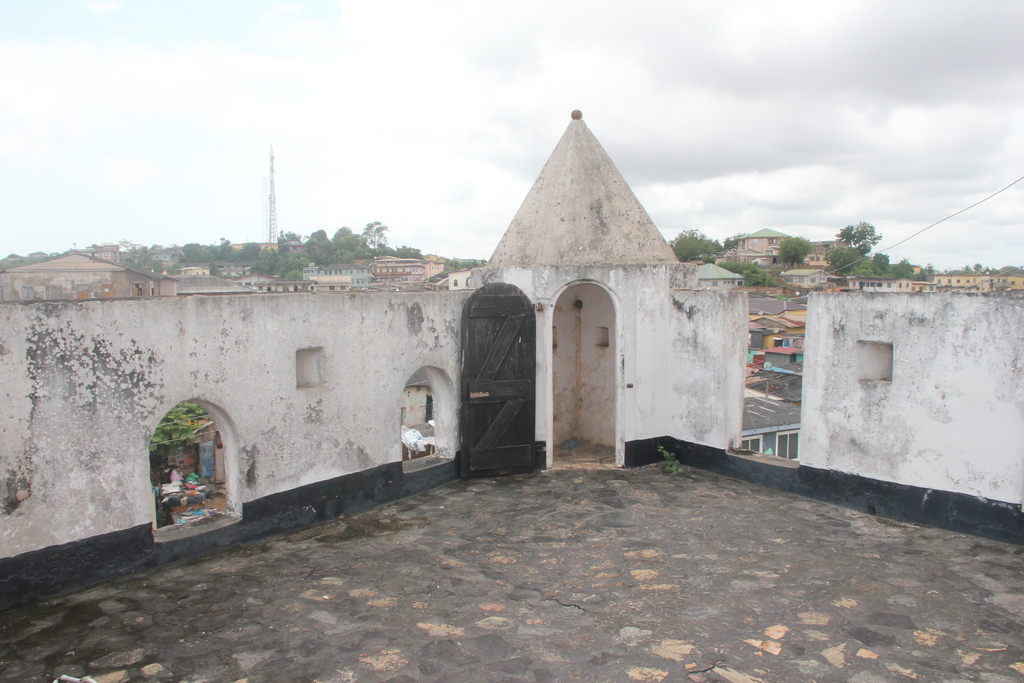
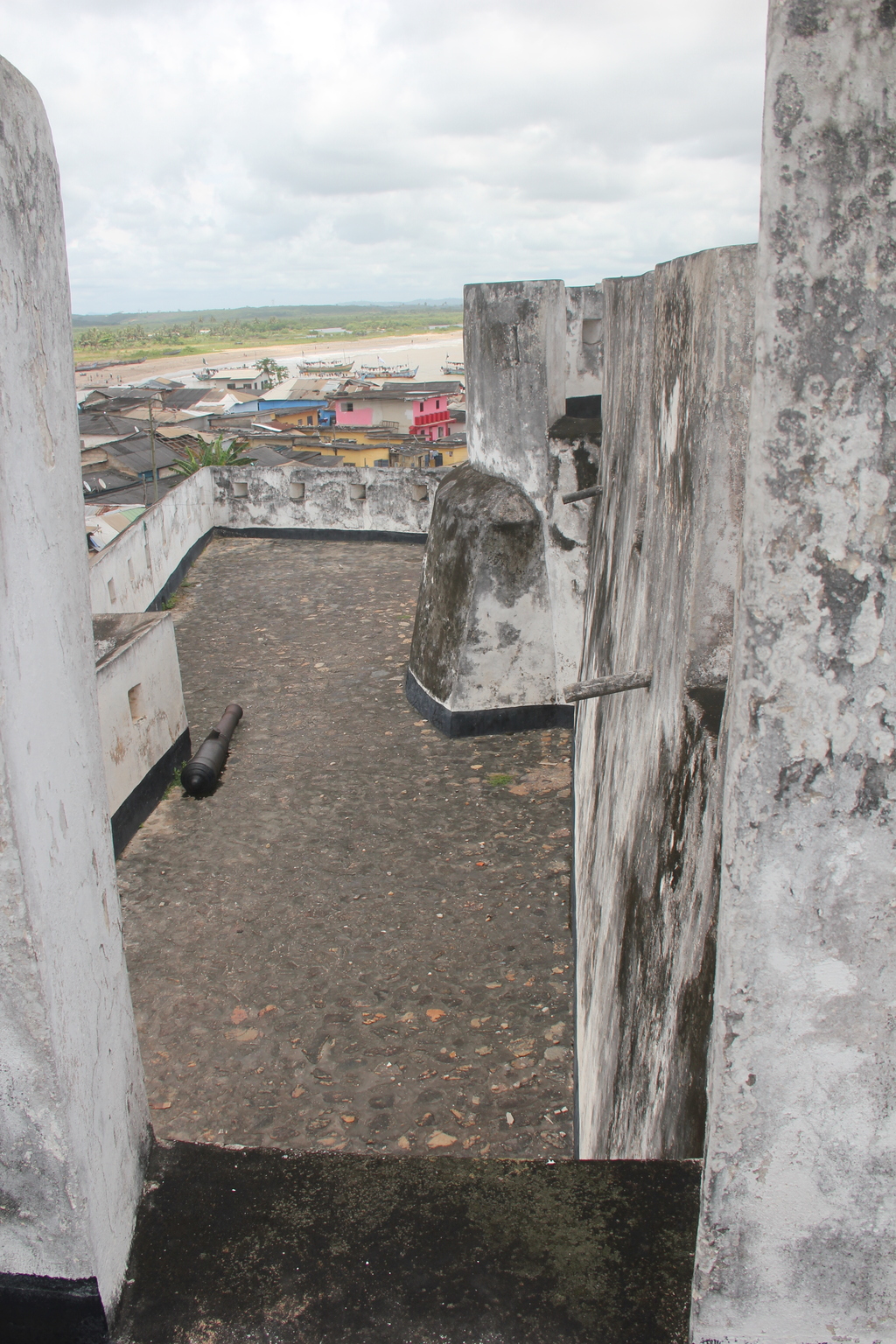
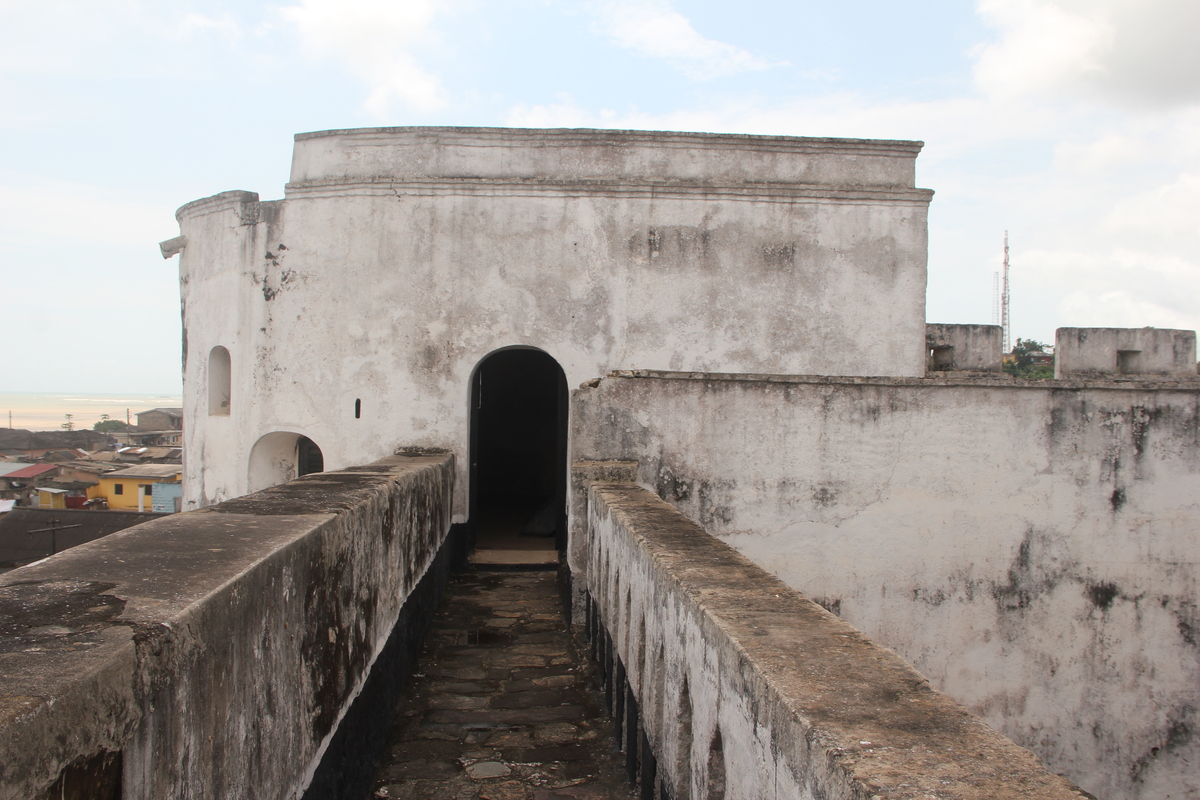
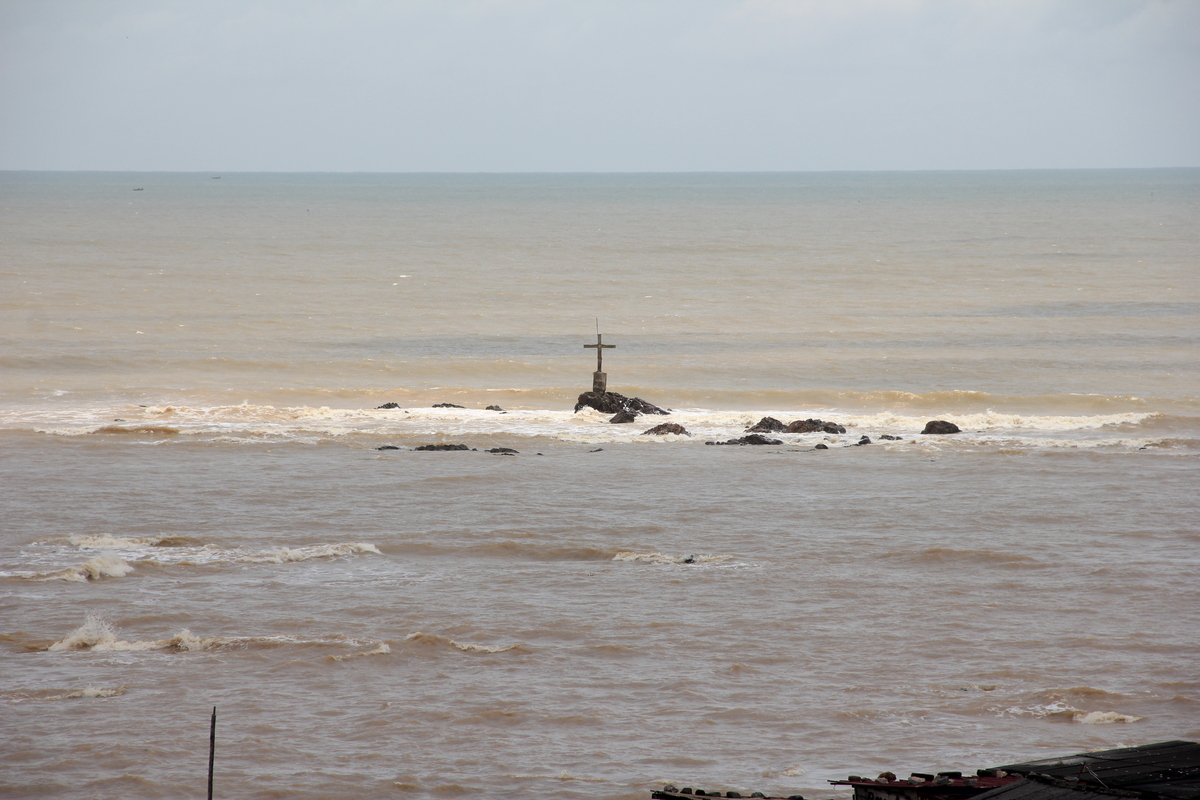
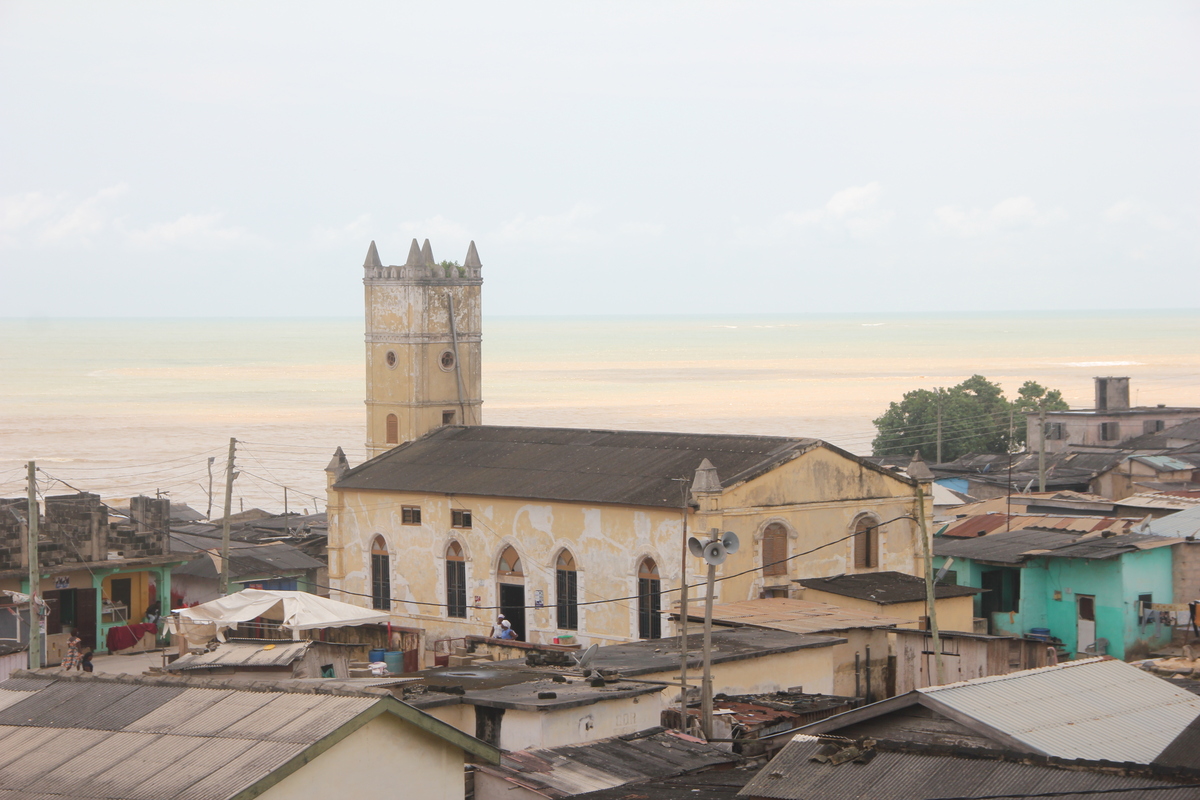
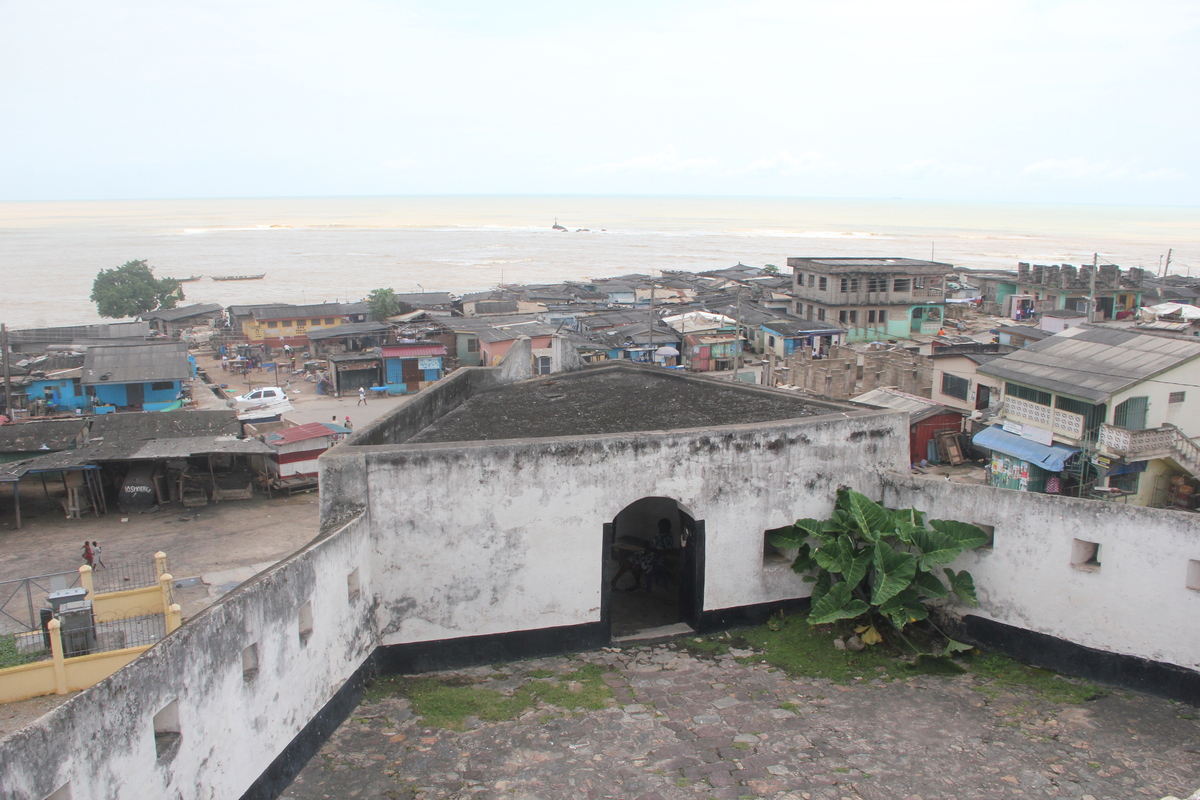
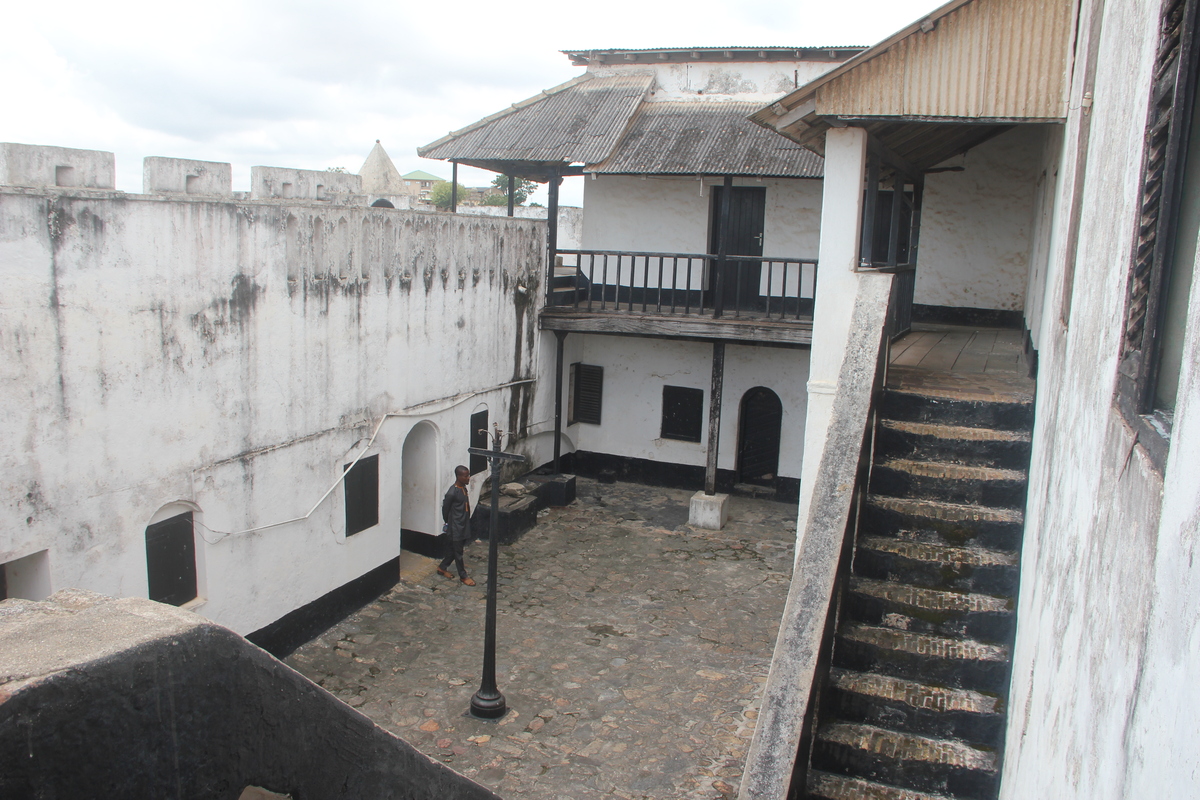
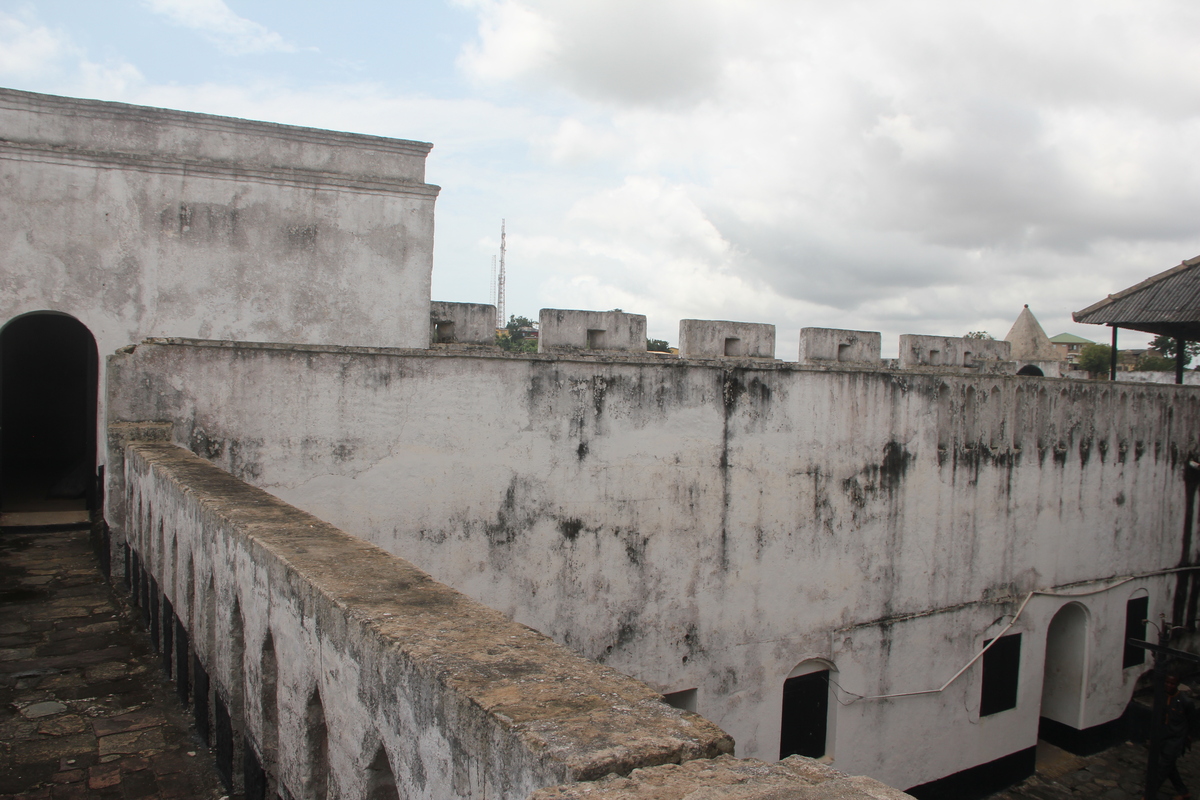
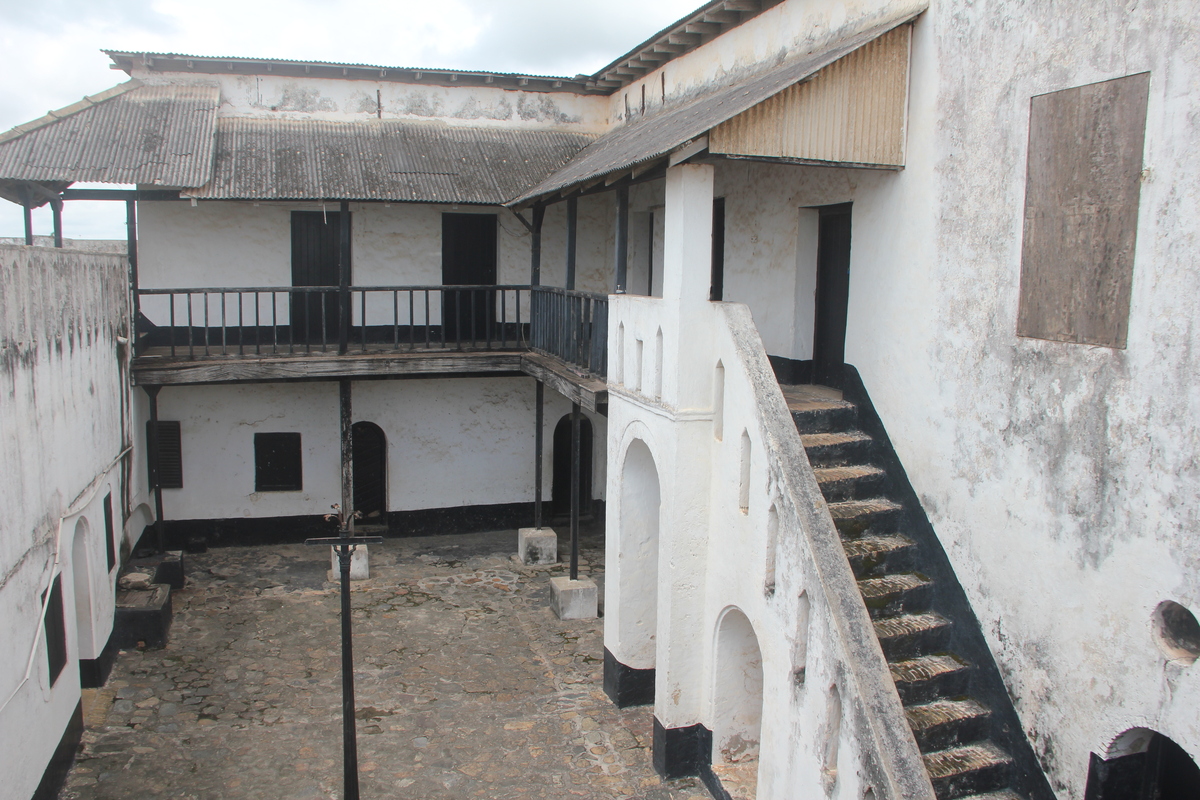
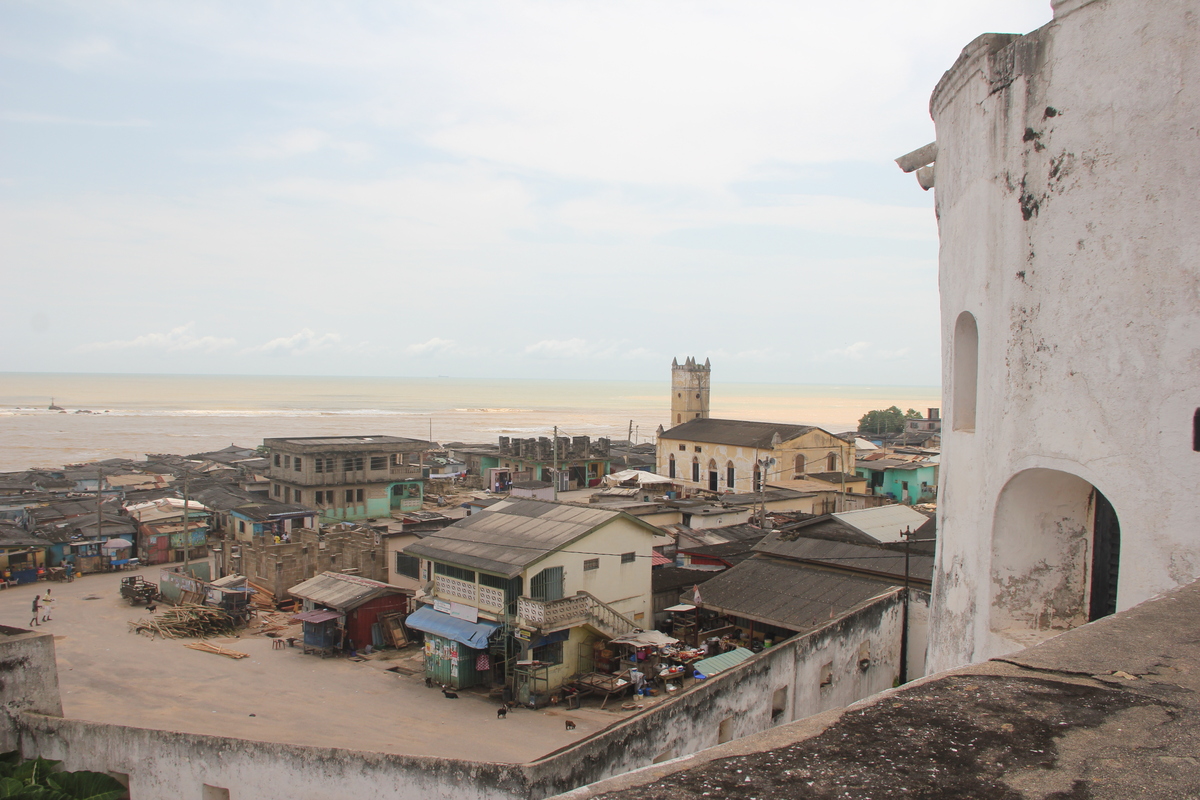
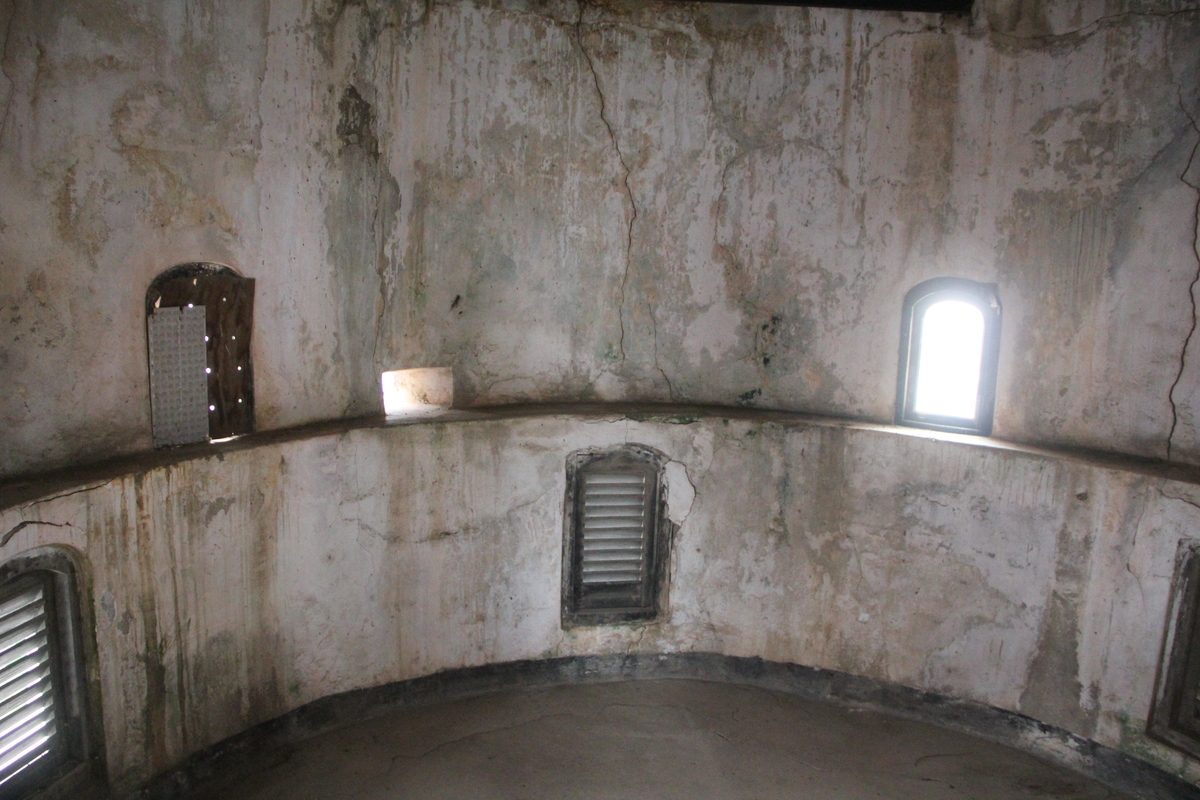
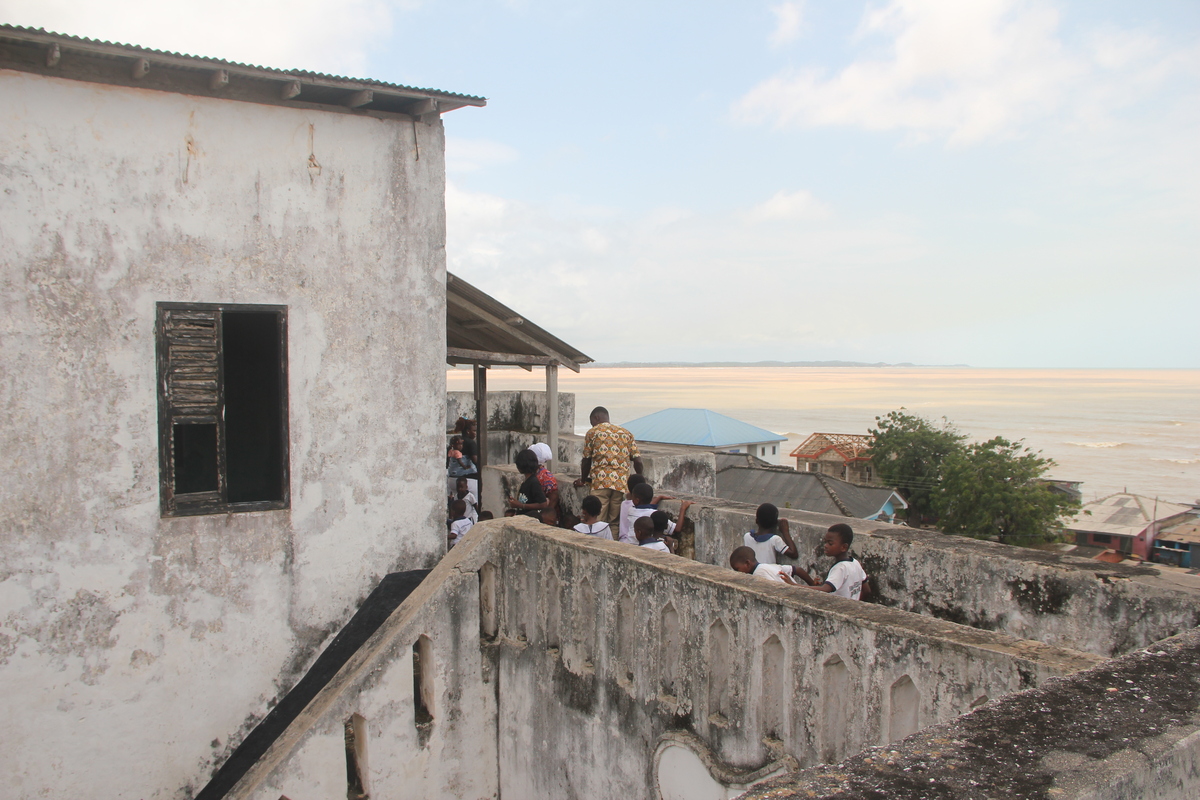
Fort San Sebastian is one of the lesser-known European forts along Ghana’s coast. It stands in Shama, in Ghana’s Western Region, close to the mouth of the Pra River and the Atlantic Ocean.
The fort was built by the Portuguese in the 16th century. It later came under Dutch control, as the different European powers competed for control of trade along the Gold Coast.
Fort San Sebastian is important not simply because it is old, but because it forms part of a much bigger story about the coastal towns of Ghana. Places such as Elmina and Cape Coast are much better known, but forts like San Sebastian also played a role in the trade and political relationships that developed between European merchants and local communities.
Why was the fort built?
The Portuguese built Fort San Sebastian as part of their effort to strengthen their position along the coast and protect their trading interests. Shama was important because of its location near the Pra River, which provided access to the interior.
Trade was the main reason the Europeans established themselves along this part of the coast. Gold was one of the most important goods, but other items were also traded, including food, textiles and manufactured goods.
The fort also gave the Portuguese a base from which they could deal directly with local rulers and traders in the area.
The fort and the people of Shama
Like other European forts on the Gold Coast, San Sebastian was closely connected to the local communities around it.
The relationship was not simply one of Europeans living inside a fort and local people living outside. There was regular contact through trade, politics and everyday activities. Local rulers and traders had their own interests, and European merchants had to negotiate with them if they wanted to do business.
Over time, these relationships changed as control of the coast passed from one European power to another.
From Portuguese to Dutch control
The Portuguese did not remain in control of Fort San Sebastian. In the 17th century, the Dutch took control of the fort as they expanded their influence along the Gold Coast.
This change was part of a wider struggle between European powers for control of coastal forts and the trade connected to them. The Dutch already had a strong presence in the region, including at nearby Elmina, and Shama became part of their network of coastal settlements.
The history of the fort therefore reflects the changing European presence on the Gold Coast, but it is also a history of the local communities that continued to live, trade and govern around these European settlements.
Fort San Sebastian today
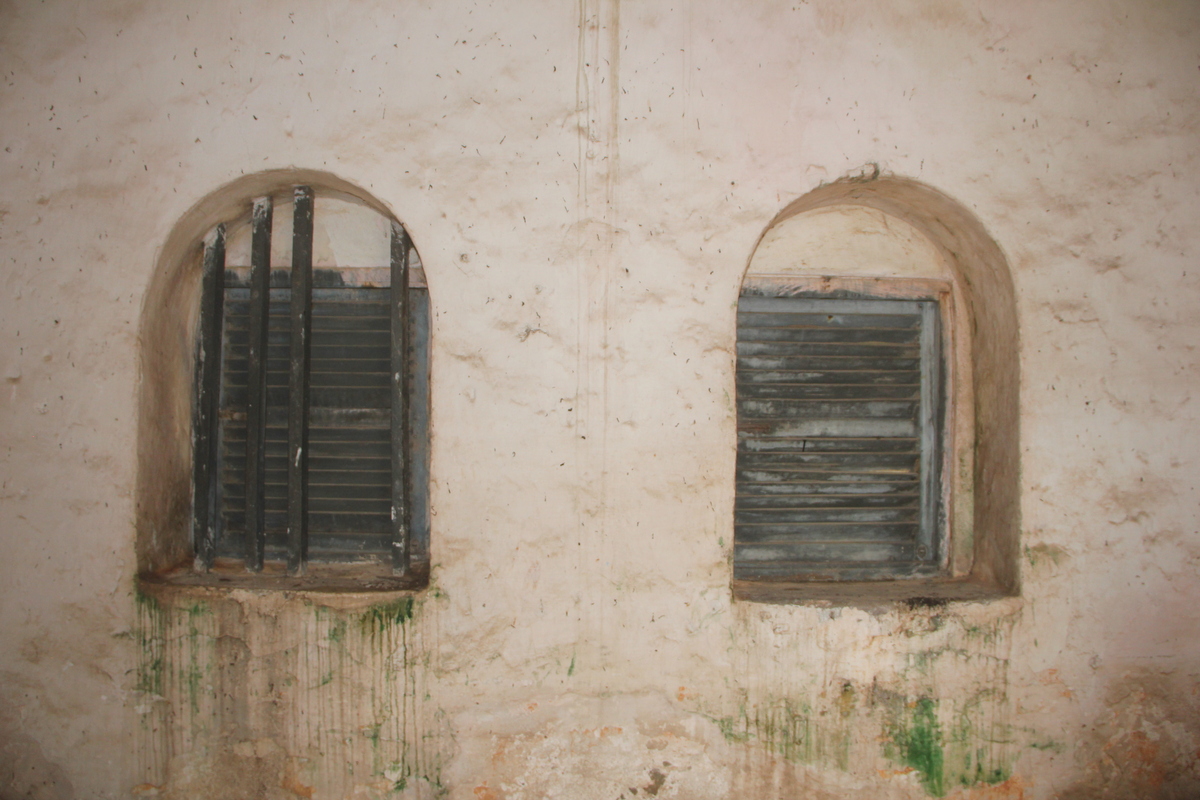
Today, Fort San Sebastian remains in Shama, although it is far less visited and discussed than Ghana's better-known coastal forts.
Its relatively quiet setting is part of what makes the site interesting. There are no large crowds or major tourist attractions surrounding it. Instead, the fort sits within a living community, close to the sea and the river that helped make Shama important in the first place.
For a website looking at the lesser-known forts of the former Gold Coast, Fort San Sebastian is exactly the kind of place that deserves more attention. Its history helps show that Ghana's coastal story was not limited to Elmina and Cape Coast. Many smaller forts and trading settlements were part of the same system, and each one has its own story to tell.